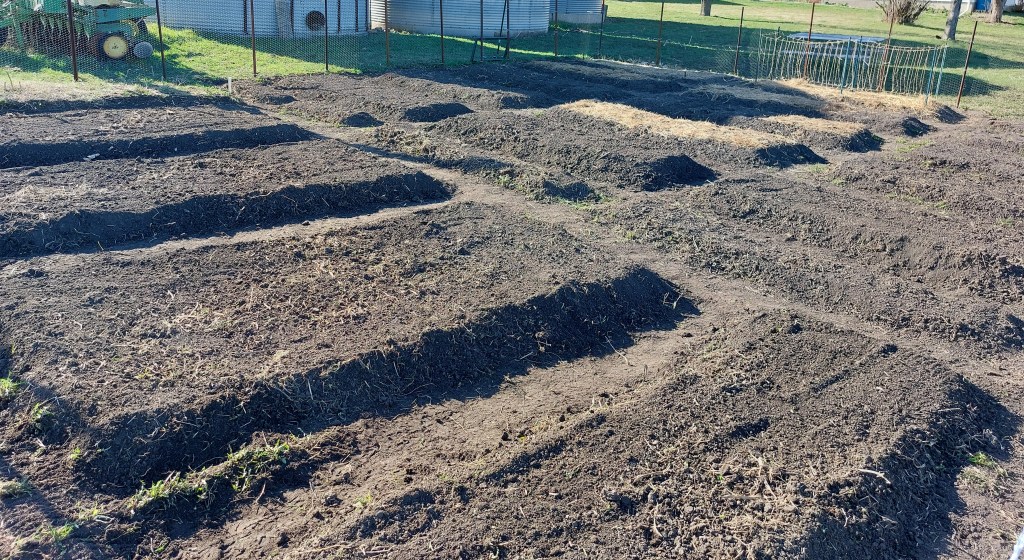
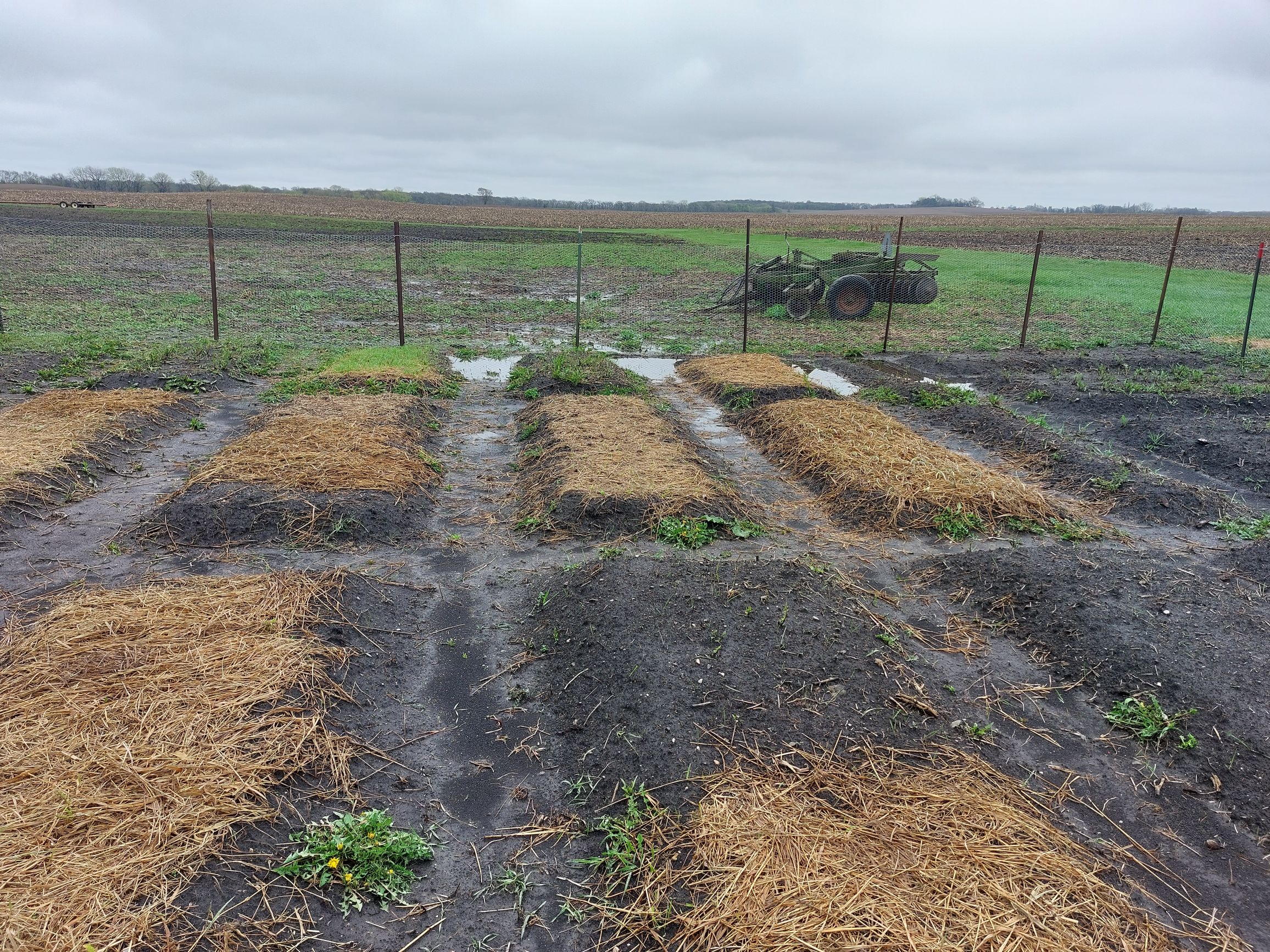
June: This year I am testing in-ground raised beds to compare with the standard row crop approach. Since the following pictures were taken, I have doubled my garden size by expanding into the field. After three inches of rain in a week, the ground is clearly saturated. Nearly half of my garden is planted and a third sprouted, so flooded ground could hinder my garden start real quickly. With ponds visible in fields nearby and standing water in my garden today, I am more thankful than ever that I chose to make raised beds this spring. They have been drying out enough between rains to continue planting even when the pathways remain muddy. As shown in the picture, the beds are also tall enough to avoid being flooded themselves…this time at least.

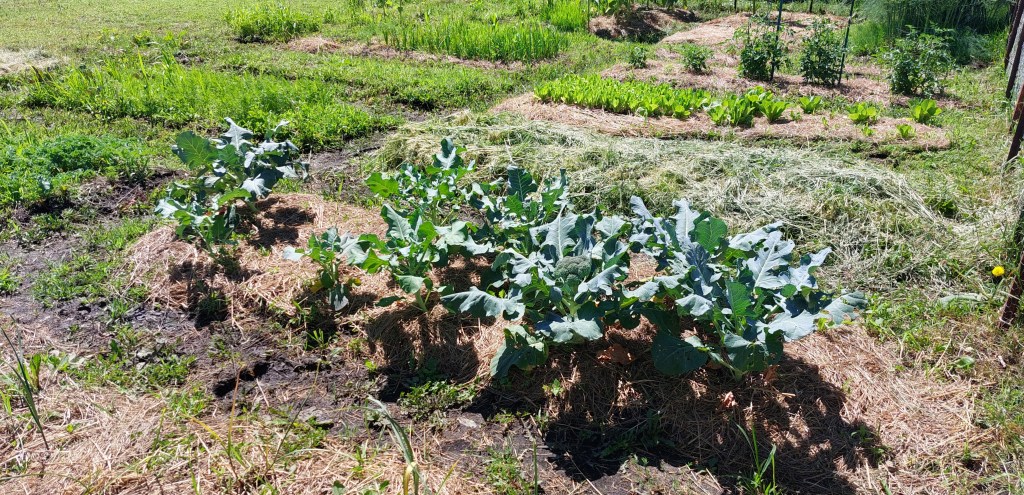
August: It is now nearing the end of summer with the first half being quite wet. How has my garden faired? Mixed results. The raised beds certainly kept my plants alive. And most were happier in the raised beds than in the field, but the causes for that were varied. Due to cooler temperatures throughout much of the summer, my heat loving crops in both parts of the garden took off slowly. The field crops were planted later than the raised bed crops, and they had to survive through two rounds of flooding. Surprisingly, most of my plants did survive flooding. Tomatoes are almost ridiculously hardy. That being said, the plants are half the size of ones I’ve grown in the past, and generally the fruit hasn’t ripened yet. I watched a number of types of plants both in the field and in the raised beds hunker down and maintain size without growing larger. I watched a number fight through yellowing leaves (I’ve since learned it’s a sign of nitrogen loss). And weed control, especially for crabgrass, was nearly impossible through June due to the level of soil saturation.
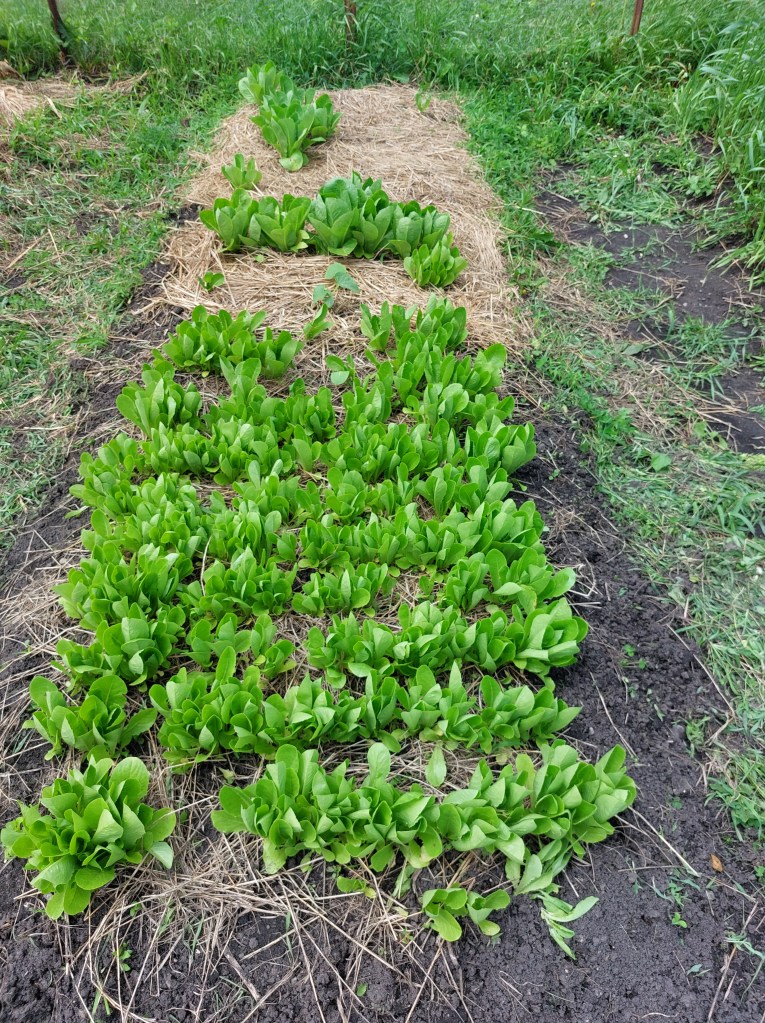
My cool season crops had longer seasons than typical due to the extended cooler temps. They did remarkably well. They were also all planted in the raised bed section.
My plants in the raised beds surrounded by standing water acted more like the field plants by simply holding steady and not actively growing.
The happiest plants by far were those planted in what was most recently lawn. The majority of my garden was planted in what has been a corn and soybean rotated field for many years. The section in the old lawn is the highest part of the garden and has the best organic matter in the soil. Those two factors told me more than I ever expected to see.
Conclusion: Raised beds were worth it during such a wet, wet year, but they were not a fail safe for thriving crops. The field, although it flooded, still drained reasonably quickly. To improve both areas I plan on drastically increasing my organic matter inputs. Doing so will increase the nutrients and organic matter in the soil that was lost during the flooding and from so many years of conventional farming (refer to the book Building Soils for Better Crops). Increasing organic matter in my garden soil will take time, but it is a critical part of growing healthy plants.
 Goemann Produce
Leave a comment